
Where Do Serious Anglers Go When “Local” Is Not Enough
At some point, local water stops scratching the itch. You still love it, but you know every seam, every tide, every likely fish. You start craving something harder, wilder, more honest. That is when serious anglers start looking across the map at a Christmas Island fishing lodge.
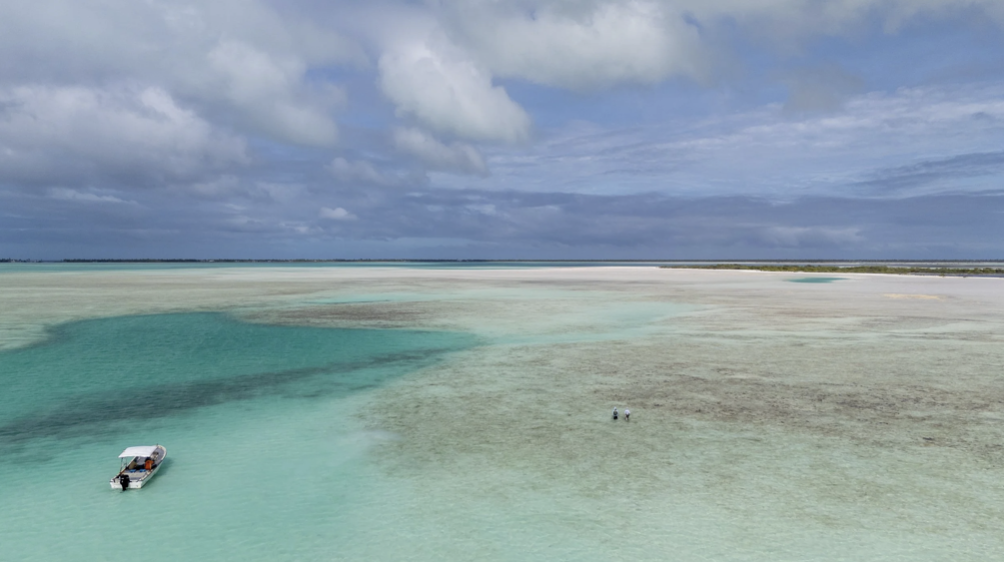
On Kiritimati, the day begins in the dark. Trade wind on your face, stars fading over the lagoon, the sound of skiffs nudging at anchor. Out on the flat, tails push across green glass, and a Giant Trevally shadow slides in from the edge like a storm. This is what serious anglers chase when they say they want a bucket-list trip.
For us, at our family-run lodge on the main lagoon, a real bucket-list destination means:
• Consistent shots, not just one lucky fish
• Low-pressure flats where fish act like fish, not like math problems
• True sight-fishing that rewards skill and calm hands
• Logistics that actually work in the middle of the Pacific
We have spent more than 20 years refining that experience on Kiritimati. In that time, our family and guide team have learned what matters most to experienced anglers: time on prime water, expert local eyes, and reliable systems behind the scenes.
Not every operation on the island is built with that in mind. Some are fine for a casual week. Ours is built around serious anglers who are here to fish hard and fish smart.
Why Is Christmas Island Built for Obsessive Anglers?
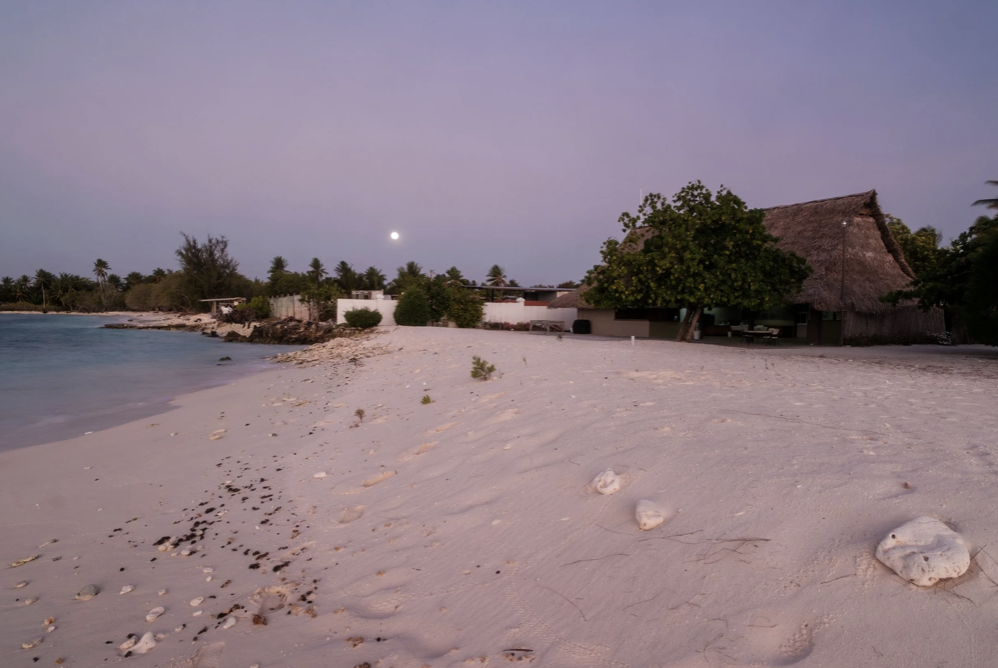
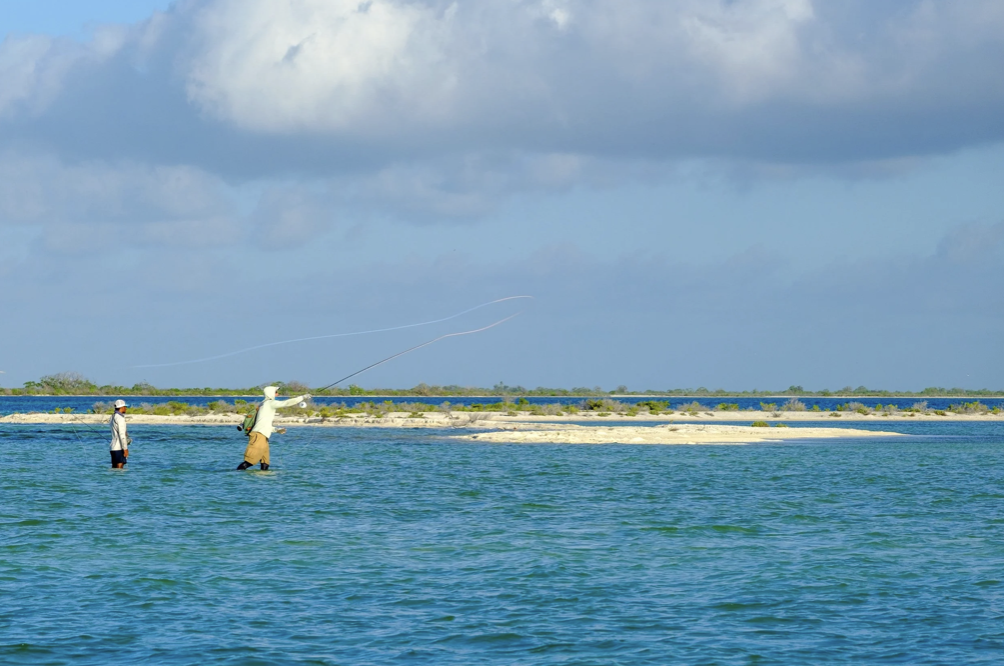
Kiritimati is the world’s largest coral atoll, and for anglers that matters. Picture a huge shallow lagoon carved with sand and coral flats, ocean cuts that flush clear water with every tide, and a bluewater drop-off that is only a short run from shore. You can stalk bonefish in ankle-deep water at sunrise, hunt GTs along white-sand edges in the afternoon, then slide offshore for tuna or wahoo when the light is high.
Around late winter and early spring, conditions line up in a way serious anglers appreciate:
• Stable trade winds that are strong enough to keep the water clear, but still very fishable
• Clear, bright flats that make spotting fish easier for trained eyes
• Predictable tides that let guides plan around bonefish, GT, triggerfish, and offshore windows
Tides and moon phases shape the whole day. Low incoming tides pull fish up onto the flats, high water lets GTs and triggers roam edges and reef lines, and certain moon phases fire up offshore bait and predators. That is why experienced anglers come back to our lodge year after year. They know they can:
• Rack up honest numbers of bonefish
• Have real shots at trophy GTs, not just stories
• Test their nerves on tight casts to tailing triggers
• Mix in bluewater for tuna, wahoo, and billfish without losing precious flats time
What Makes Our Christmas Island Lodge Different From Other Options?
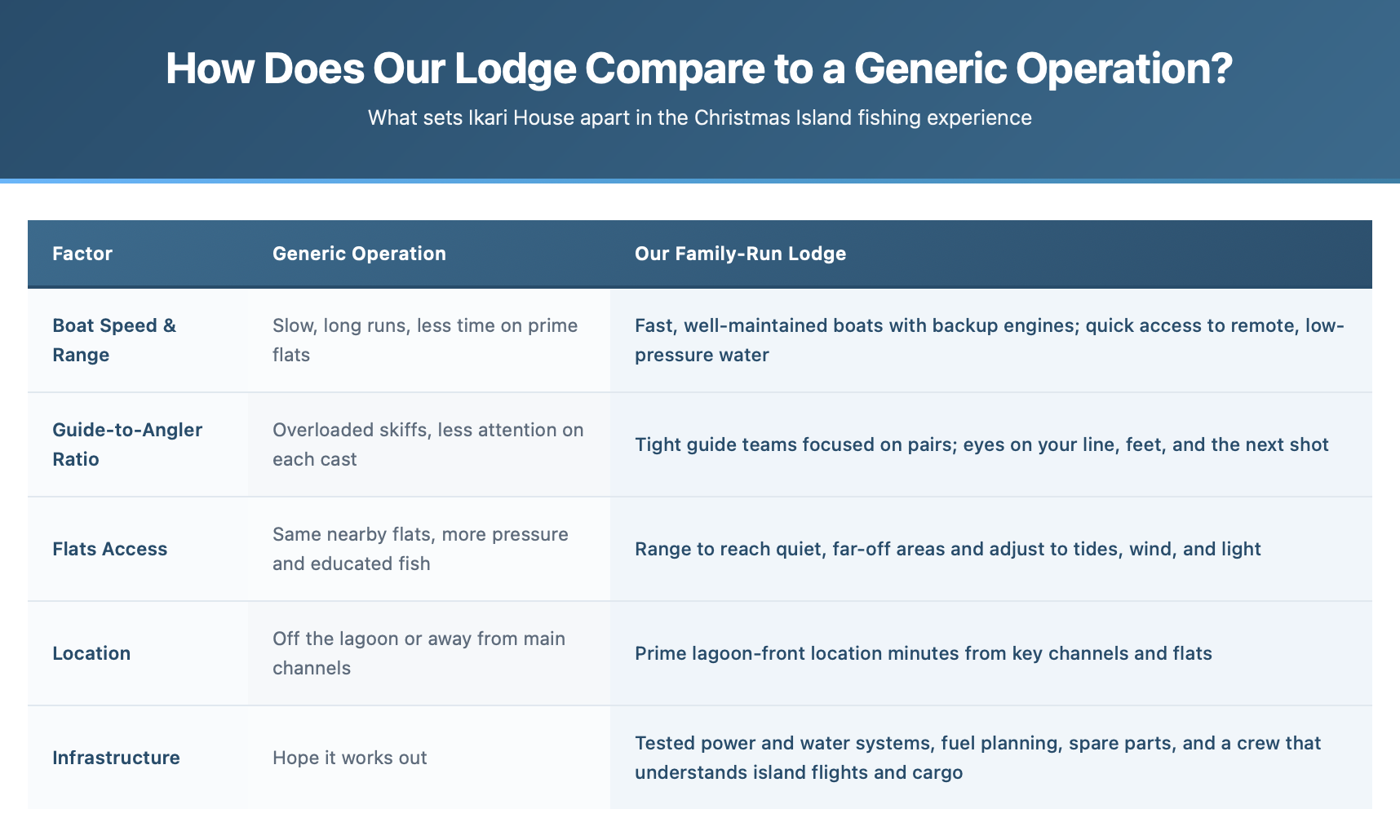
On a remote atoll, the lodge is not just your room. It is your engine room, your safety net, and your edge. Location on the lagoon matters. The closer you are to the key channels and flats, the less time you spend pounding across chop and the more time you spend with line in the water.
For more than two decades, our family has run this lodge on a prime stretch of the main lagoon, with direct access to both classic bonefish flats and GT edges. Over that time we have built and refined the infrastructure that serious anglers rely on.
How Does Our Lodge Compare to a Generic Operation?
“On this island, good fishing isn’t luck. It’s where your boat is tied, which tide you’re standing in, and who is standing beside you.”
What Does a Perfect Fishing Day at Our Lodge Look Like?
A good day starts early. First light over the lagoon, coffee and breakfast while you check knots, leaders, and fly boxes. Skiffs wait on the beach in front of the lodge, rods already racked, guides ready to talk tides and game plan. A few minutes later, you are running across calm water toward glowing flats.
A classic day might look like this:
• Dawn: Breakfast, gear check, tide talk with your guide
• Early morning: Bonefish on firm sand flats, plenty of shots in clean light
• Midday: Shade and lunch on the skiff or a small coral cay, quick rest and stories
• Afternoon: GT or triggerfish sessions on edges, channels, or reef faces
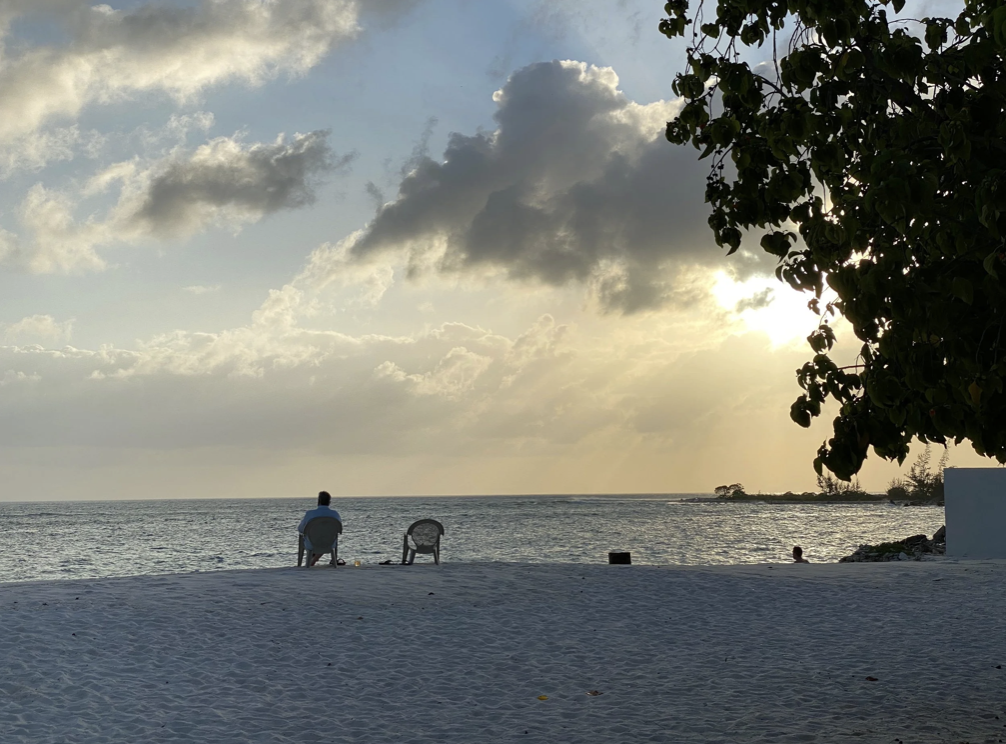
• Evening: Back at the lodge, a cold drink, flies spread on the table, talking tomorrow’s plan
What sets our place apart is the feel. We are a family-run operation, and many guests have fished with us for ten years or more. Hosts who know your name and how you like your coffee. Guides and staff who adjust the plan around the tide, the wind, and your style.
“You’re not just a room number here. By the second day, you’re part of the family, and we fish like it.”
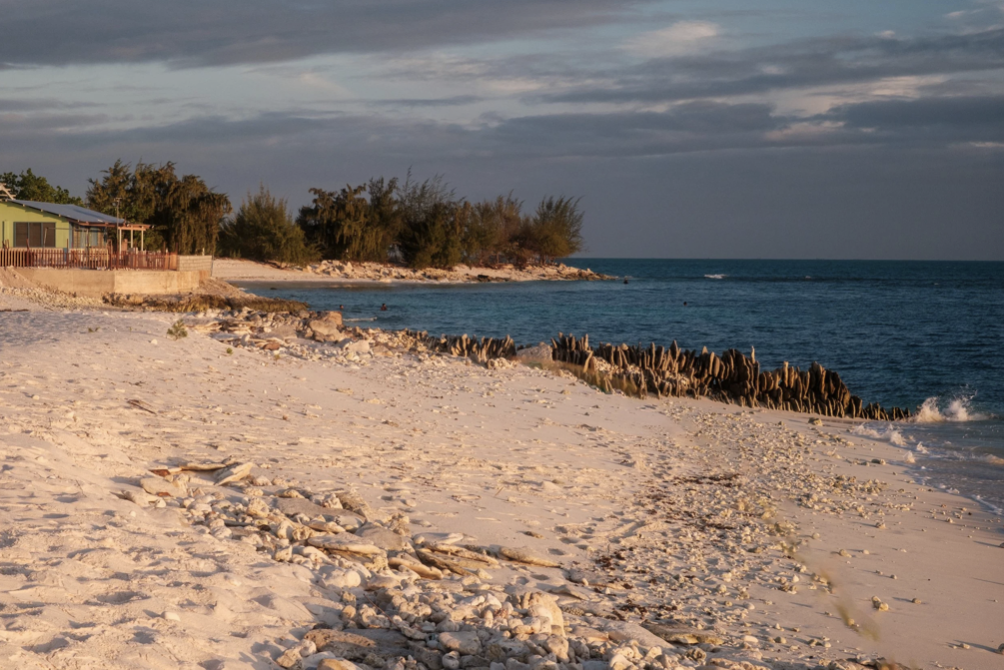
The setting helps. Oceanfront views, rods lined up at the beach, skiffs ready at the waterline, anglers and guides bent over fly boxes as the sun drops. Rooms are comfortable and cool, a place to rinse off the salt, charge gear, and rest sore shoulders before doing it all again.
Which Techniques, Tides, and Tackle Work Best on Kiritimati?
Serious anglers want the fine details. After more than 20 years guiding these flats, our team has settled on systems that simply work.
Bonefish: Rods, Lines, Flies, and Approach
Most bonefish work is built around 7 or 8 weight rods with tropical floating lines. Leaders are usually in the 9 to 12 foot range, with enough strength to pull hard but still land soft.
Proven flies on our flats include:
• Small shrimp patterns in light tan, pink, or pearl
• Sizes matched to local forage, often in the smaller range (#6, #8)
• Weights tuned to depth: lighter for ankle-deep water, heavier for troughs and edges
Our guides prefer:
• Quick, accurate casts in the 40 to 60 foot range
• Short strips for tailers, longer strips for cruising fish
• Calm hands on the set, a smooth strip strike instead of a big trout lift
“If you can see the fish and put the fly two feet in front of its nose without panicking, these flats will treat you very well.”
GTs: Heavy Gear for Heavy Fish
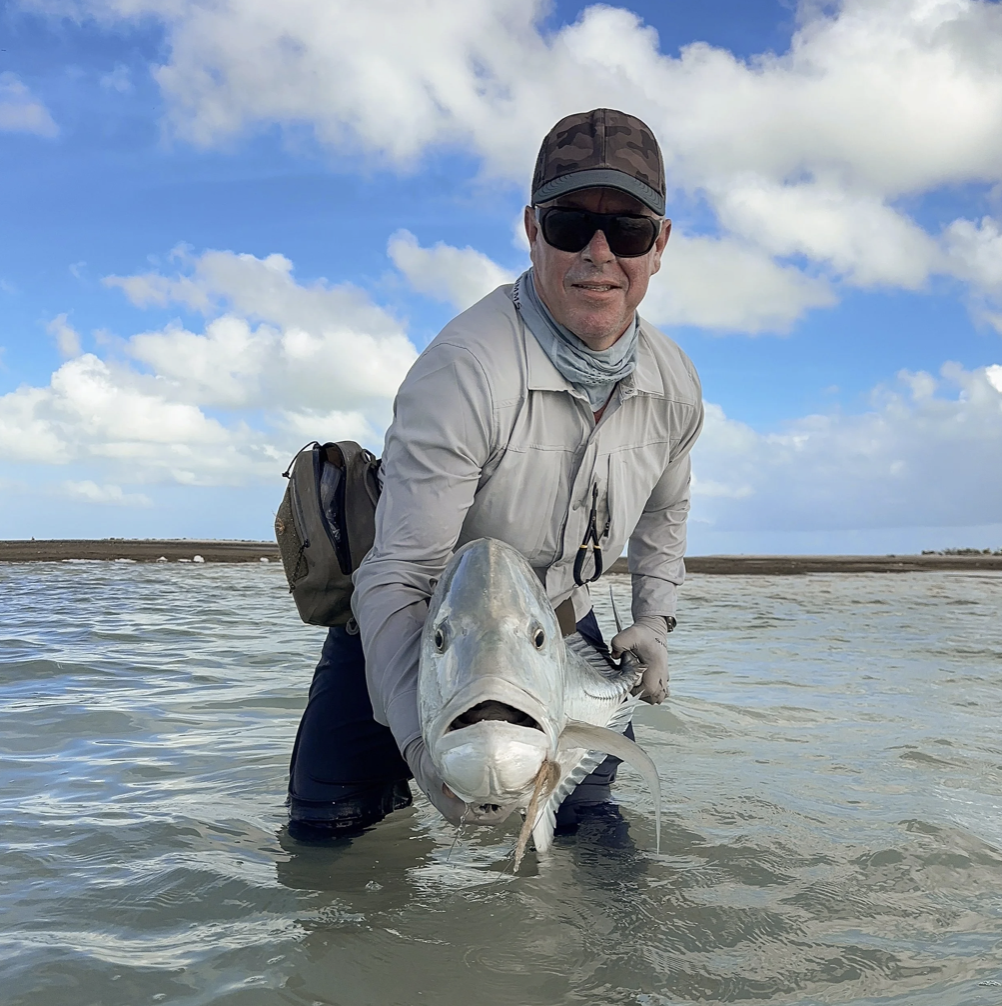
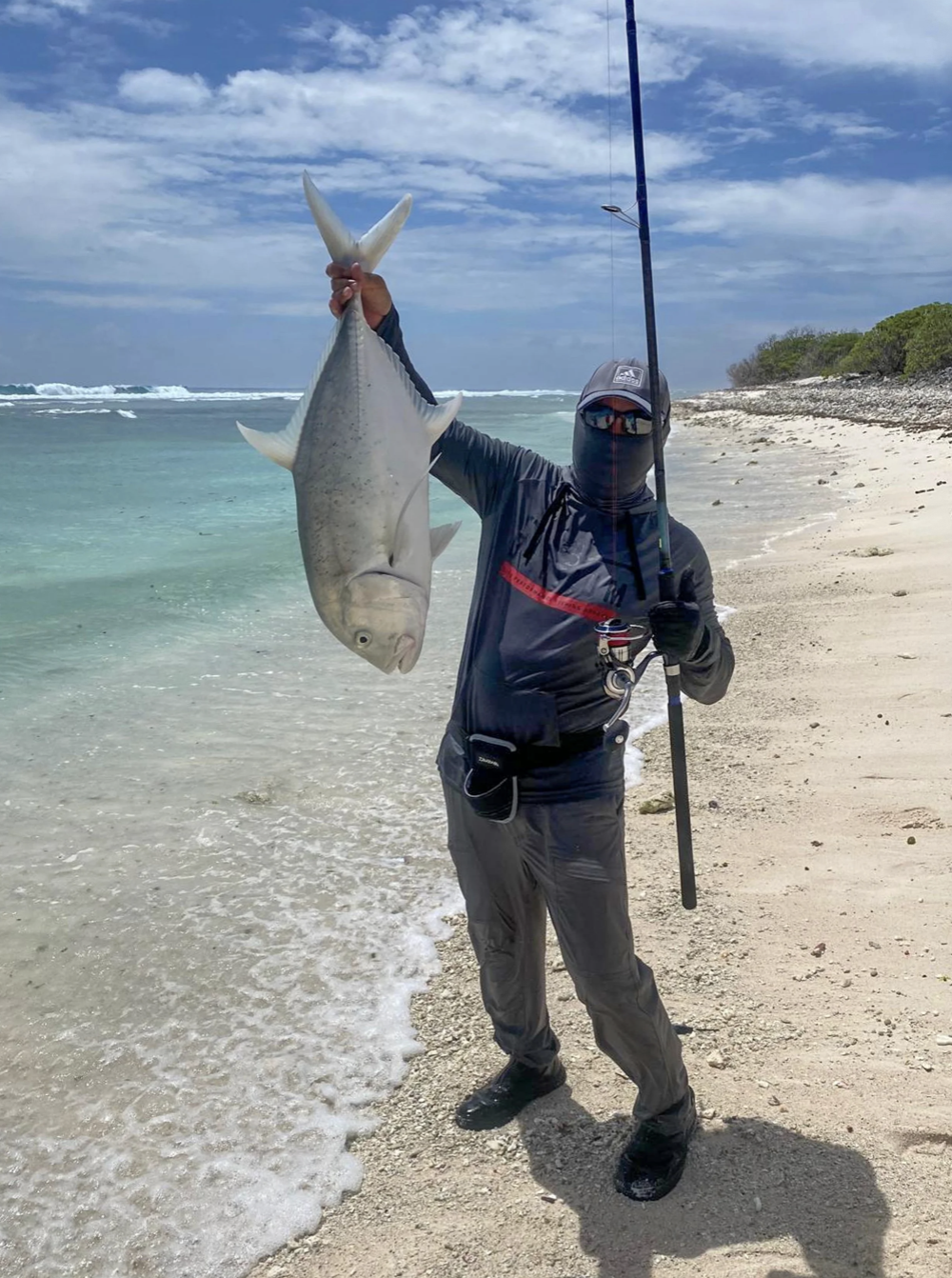
For GTs, everything scales up. Think sturdy 11 or 12 weight rods, quality large-arbor reels with strong drags, and lines that turn over big flies or plugs in the trade wind. Leaders are short and strong with heavy bite tippet.
Common picks include:
• Large baitfish flies in natural, olive, black, or blue-backed colors
• Surface plugs and poppers for heart-stopping eats on top
• Strong single hooks that can take real pressure
Boat and angler positioning matters. Guides read:
• Edges where dark reef meets white sand
• Funnels where current squeezes between coral heads
• Pressure waves on reef lines where bait stacks up
Hook sets are firm and direct. You hit the fish hard and keep them moving. If you let a GT turn its head toward coral, you are probably done.
Triggerfish: Patience and Precision
Triggerfish demand a different touch:
• Sensitive rods in the 8, 9 weight range
• Compact crab patterns with strong but light-wire hooks
• Short, accurate presentations, then slow, steady pressure
Triggerfish need the opposite of GT pressure: slow, steady lift, protecting light hooks, and letting them turn their broad sides.
Our family and guides often share small tips that change everything, like:
• “On this tide, we’ll start high on the flat and slide off with the water.”
• “When light is tough, listen for tails and watch the nervous water, not just shapes.”
• “Sharpen hooks every few fish; the coral takes the edge fast.”
Should You Fish the Flats or Bluewater Tomorrow?
One of the best parts of our location on Christmas Island is choice. Some days the flats are calling and you stay ankle-deep all day. Other days, tuna are busting just off the drop-off and it makes sense to split time.
Over two decades, we have learned to tailor each day to the angler, the weather, and the tide. A few simple profiles help:
• The pure flats tactician
- Mostly bonefish and triggers
- GT shots when they show, but not at the cost of classic sight-fishing
• The GT hunter
- Plans whole days around tides and areas that hold big trevally
- Will trade numbers of fish for a few heavy, serious chances
• The mixed-bag angler
- Wants bonefish, GTs, and at least one bluewater run
- Happy to change midweek if wind, light, or bait patterns shift
With good local knowledge, plans remain flexible. Calm morning with soft light? Maybe bonefish and triggers first. Trade wind builds and bait stacks on the edge? Slide outside to the blue drop for tuna or wahoo, then return to the flats when the sun gets high.
Who Are Your Guides and Hosts?
Trust matters when you travel this far. Our lodge is owned and operated by our family, and many of our guides have been with us for more than a decade.
• Tama, Head Guide
Over 20 years guiding Kiritimati’s flats. Known for calm coaching and a sixth sense for GTs on the edge of your vision.
• Teva, Senior Flats Specialist
Grew up fishing these lagoons. Bonefish and trigger whisperer, patient with presentations but demanding about accuracy.
• Maria, Lodge Host
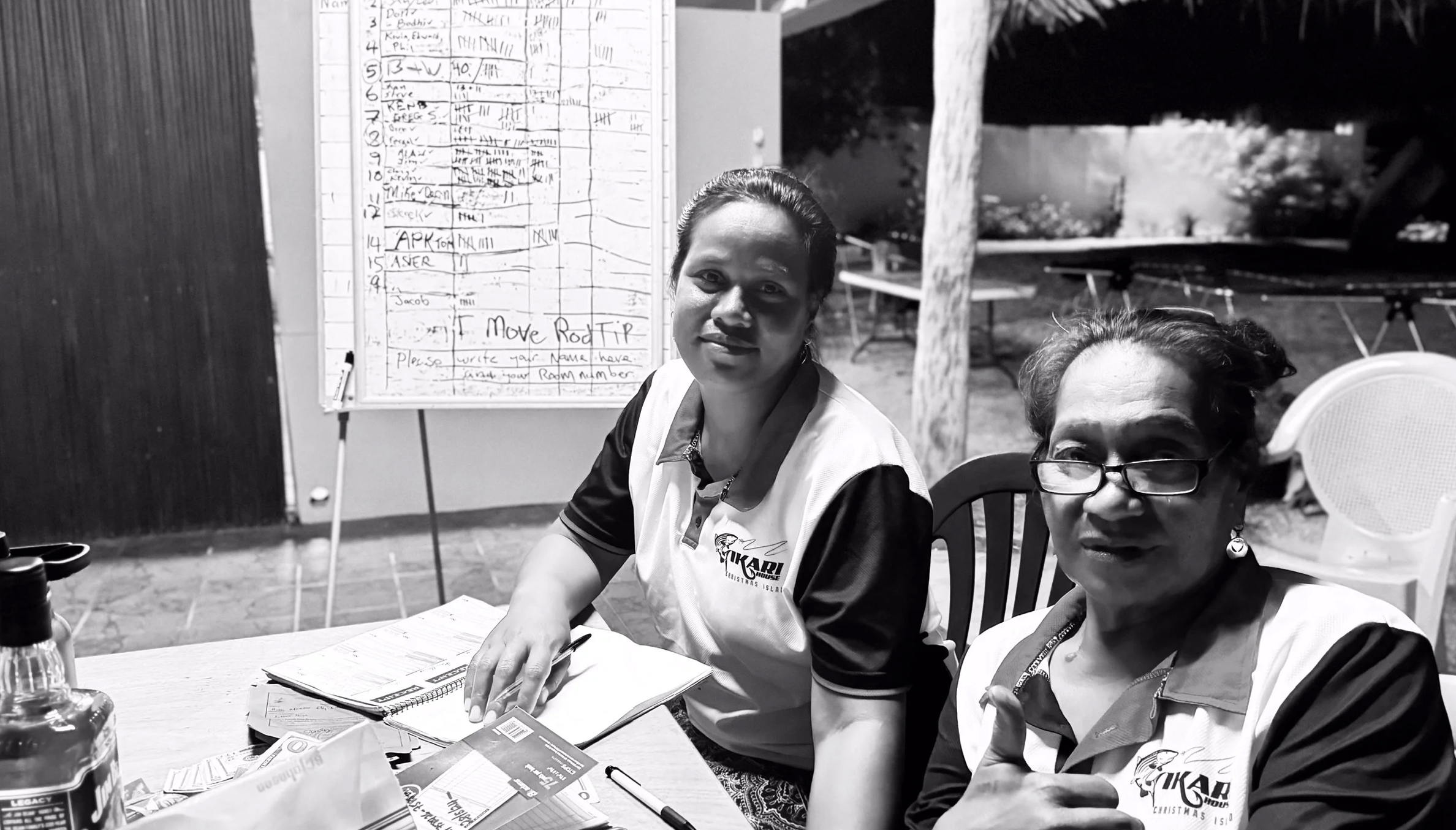
One of the owners. Handles logistics, daily schedules, and makes sure you never miss a flight or a prime tide.
Our crew of local boatmen, kitchen staff, and support team keeps everything moving: fuel drops, ice, freshwater, power, and the small details that keep a remote operation reliable.
FAQs: What Should Serious Anglers Know Before Booking?
How Do I Get to Christmas Island (Kiritimati)?
Flights typically route through specific gateway cities in the region (these can change, so we provide current details in your pre-trip packet). Because flights do not run every day, we strongly recommend booking flights 6, 12 months in advance for peak season.
Which Is the Best Season and Moon Phase to Book?
Late winter through early spring offers particularly stable trade winds and clear flats. Around neap tides, bonefish and triggers can feed comfortably on the flats; around stronger spring tides and certain moon phases, GTs and bluewater bait often light up. We will help match your dates to your priorities, numbers of bonefish, GT focus, or mixed-bag.
What Gear Should I Pack?
For most serious anglers, we recommend:
• Bonefish: 7, 8 wt rods (plus a backup), tropical floating lines, 9, 12 ft leaders
• GTs: 11, 12 wt rods (plus a backup), heavy leaders with bite tippet
• Bluewater: 12 wt or dedicated bluewater setup with intermediate or sinking lines
• Flies: Proven shrimp, crab, baitfish, and GT patterns matched to our local menu (we send a detailed list before your trip)
• Clothing: Long sleeves, sun masks, good polarized glasses, sun gloves, reef-safe sunscreen
• Footwear: Flats boots or sturdy wading shoes, light socks
• Accessories: Quality boat bag, chargers, spare lines, backing, basic tool kit, simple rod/line repair kit
We provide a detailed, trip-specific packing list once you are booked.
What Does a Typical Day’s Schedule Look Like?
Our days are built around tides, not meal times, but a normal routine is:
• 5:30, 6:30 a.m.: Coffee and breakfast at the lodge
• 6:30, 7:00 a.m.: Gear check and departure to the flats or bluewater
• Midday: Lunch on the skiff or a cay, shade and a short rest
• Afternoon: Continue on flats or switch to GT/bluewater as conditions dictate
• Late afternoon: Return to the lodge, rinse gear, cold drinks and snacks
• Evening: Dinner, tide talk with guides, plan for tomorrow
How Are Guides and Boats Assigned?
We match anglers with guides based on experience level and goals whenever possible. Boats typically carry small teams so your guide can stay focused on each shot. If you are traveling with a partner or group, we can plan guide rotations so you experience different styles and personalities.
What About Tipping and Lodge Payments?
We provide suggested tipping guidelines in your pre-trip information, based on local standards and trip length. Tips are usually pooled for guides and staff, but we can accommodate specific requests if there is someone you would like to recognize individually.
What Non-Fishing Options Are Available?
This is a hardcore fishing destination, but on rest days or windier afternoons you can:
• Walk the beach and explore the shoreline
• Watch birdlife and lagoon wildlife
• Rest in the shade with a book or camera
What Kind of Lodge Infrastructure Can I Expect?
Our family has spent more than 20 years building reliable systems on this remote atoll:
• Power: Generator-backed electricity with surge protection for charging cameras and electronics
• Water: Treated freshwater for showers and drinking
• Boats: Well-maintained skiffs with backup engines and safety gear
• Storage: Safe storage for rods, reels, and travel cases
• Logistics: Airport transfers, baggage handling support, and backup plans when flights or cargo are delayed
Do I Need Special Insurance or Paperwork?
You will need valid travel documents based on your country of origin (we outline current requirements in your confirmation materials). We strongly recommend comprehensive travel insurance that covers medical evacuation from remote locations.
Why Invest in a Proven Christmas Island Fishing Lodge?
A big trip to a remote atoll takes planning, and that planning pays off. On Kiritimati, small details, boat range, guide experience, generator parts and spare props, translate directly into more shots, more learning, and more fish.
A well-run, family-operated lodge helps long before you set foot on the island. Pre-trip emails, gear advice, clear transfer plans from the airport, safe storage for rod tubes and cases, and backup plans if bags are delayed or something breaks. On a remote atoll, that kind of planning is not a luxury; it is how you protect your week.
For a once-in-a-lifetime trip, most experienced anglers see a proven Christmas Island fishing lodge as an investment in their time. Boats that start, guides who care, reliable infrastructure that holds together, and a family crew that has been doing this for over 20 years all add up to the same thing: more real shots, more honest fish, and more memories on the flats and in the blue.
Plan Your Ultimate Christmas Island Fishing Escape Today
If you are ready to experience legendary bonefishing with expert local guides, reserve your stay at our Christmas Island fishing lodge today. At Ikari House Lodge, we keep groups small so we can focus on putting you on the flats and tailoring each day to your goals. Share a few details about your ideal trip and we will follow up with personalized dates, pricing, and availability. Have specific questions before you book, or traveling with a group or family, just contact us and we will help you plan every step.
