
Why Should Christmas Island GT Fishing Be On Your Bucket List?
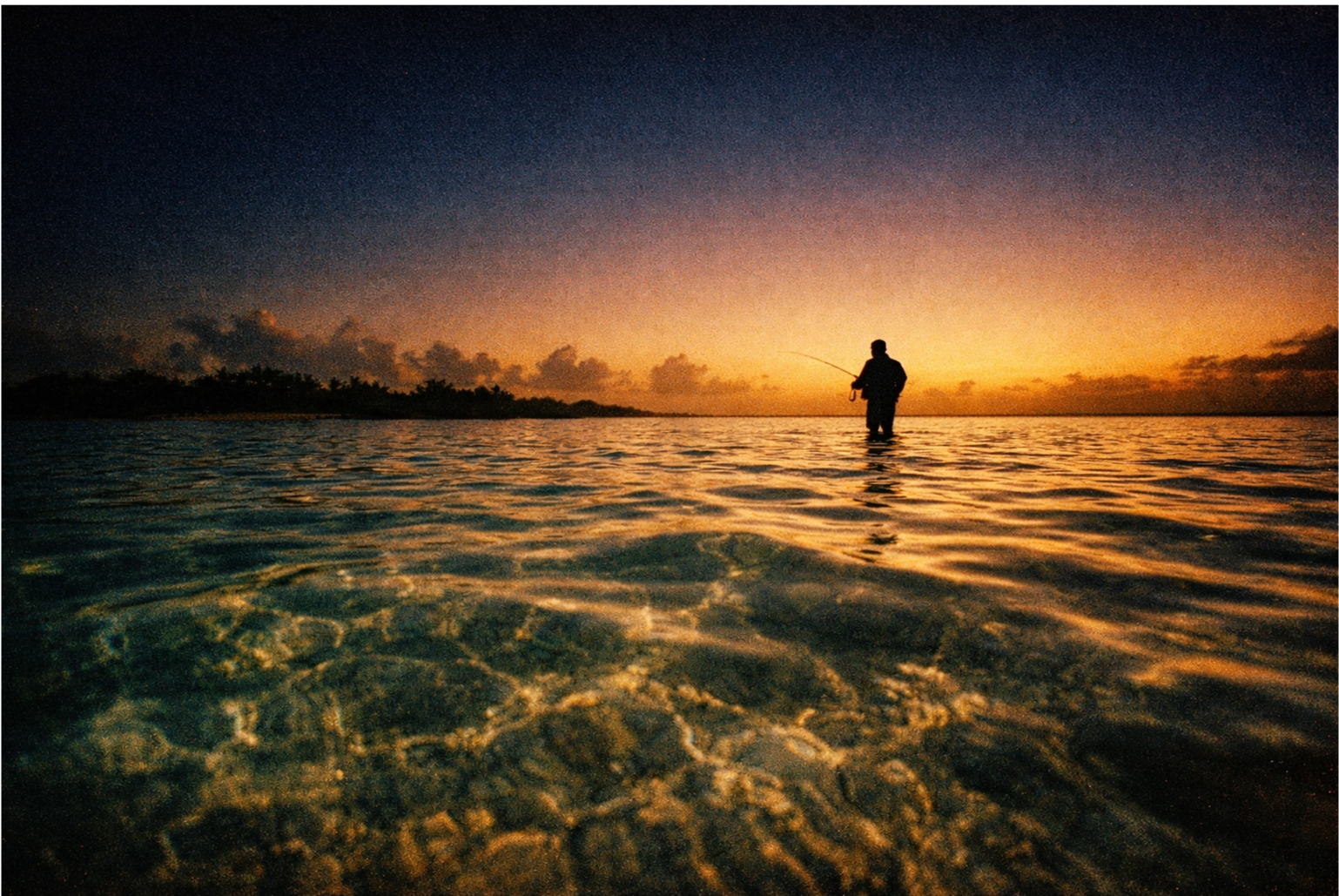
Christmas Island GT fishing is about as pure as sight-angling for big predators gets. Clear water, white sand, and brutal eats from fish that do not play nice. If you are serious about fly fishing and you care as much about the system and the people as the grip-and-grin, a week chasing giant trevally around Kiritimati’s lagoon belongs near the top of your list. At Ikari House Lodge, our world narrows to tides, wind, light, and the next black shape sliding across a flat.
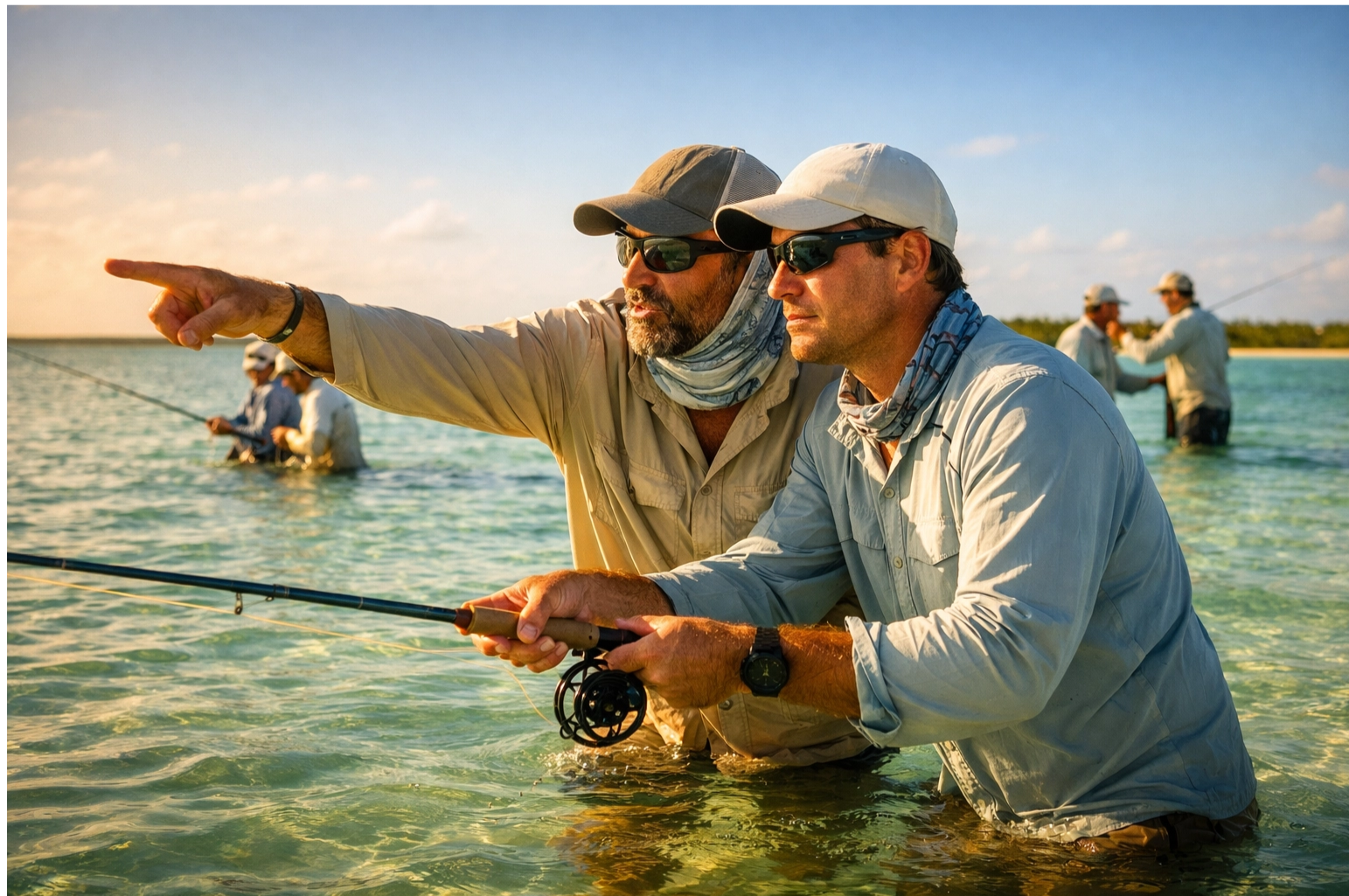
The first GT eat on a shallow flat is usually violent and unforgettable. You see the fish appear on the edge of your vision, our guide calls the direction, you throw a big brush fly, strip hard, and watch the head turn. When it commits, there is a visible surge and then impact, which you can feel through the cork. This is why Christmas Island has become synonymous with GTs: huge, visual encounters in water where every follow and refusal is right there in front of you.
Kiritimati is different from other GT destinations because of its scale, access, and consistency. The flats are broad and wadeable, the weather is generally stable enough for year-round fishing, and GTs share space with bonefish and a range of bluewater species. Instead of needing helicopters or long open-ocean runs, we work a compact fishery by boat and on foot, with options even when conditions change.
From our family-run base at Ikari House Lodge, we focus on turning a bucket-list GT idea into a reliable, realistic plan. Our role is to blend serious, technical fishing with a relaxed, home-style atmosphere, supported by:
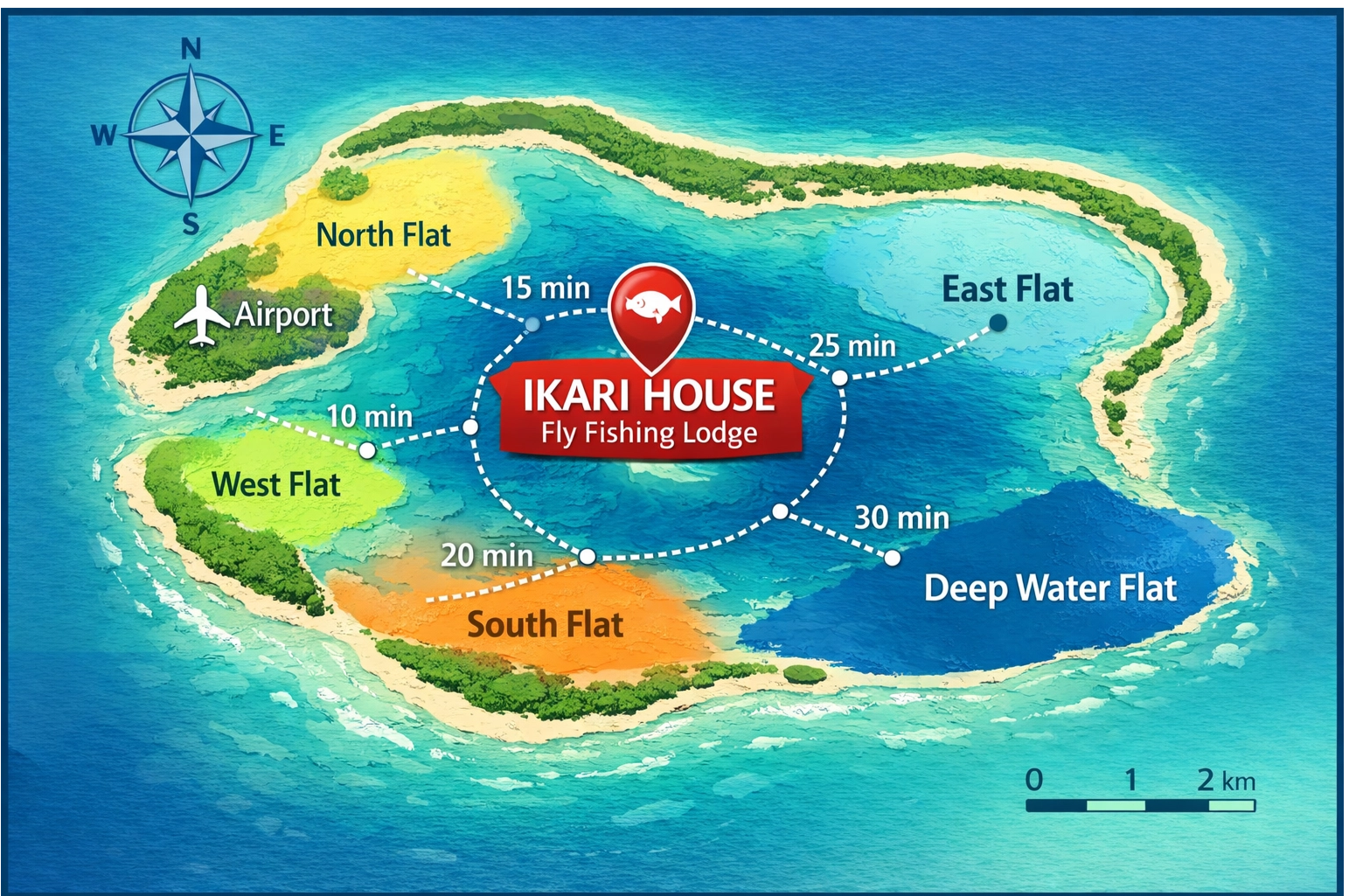
- A prime location directly on the lagoon with fast access to key flats
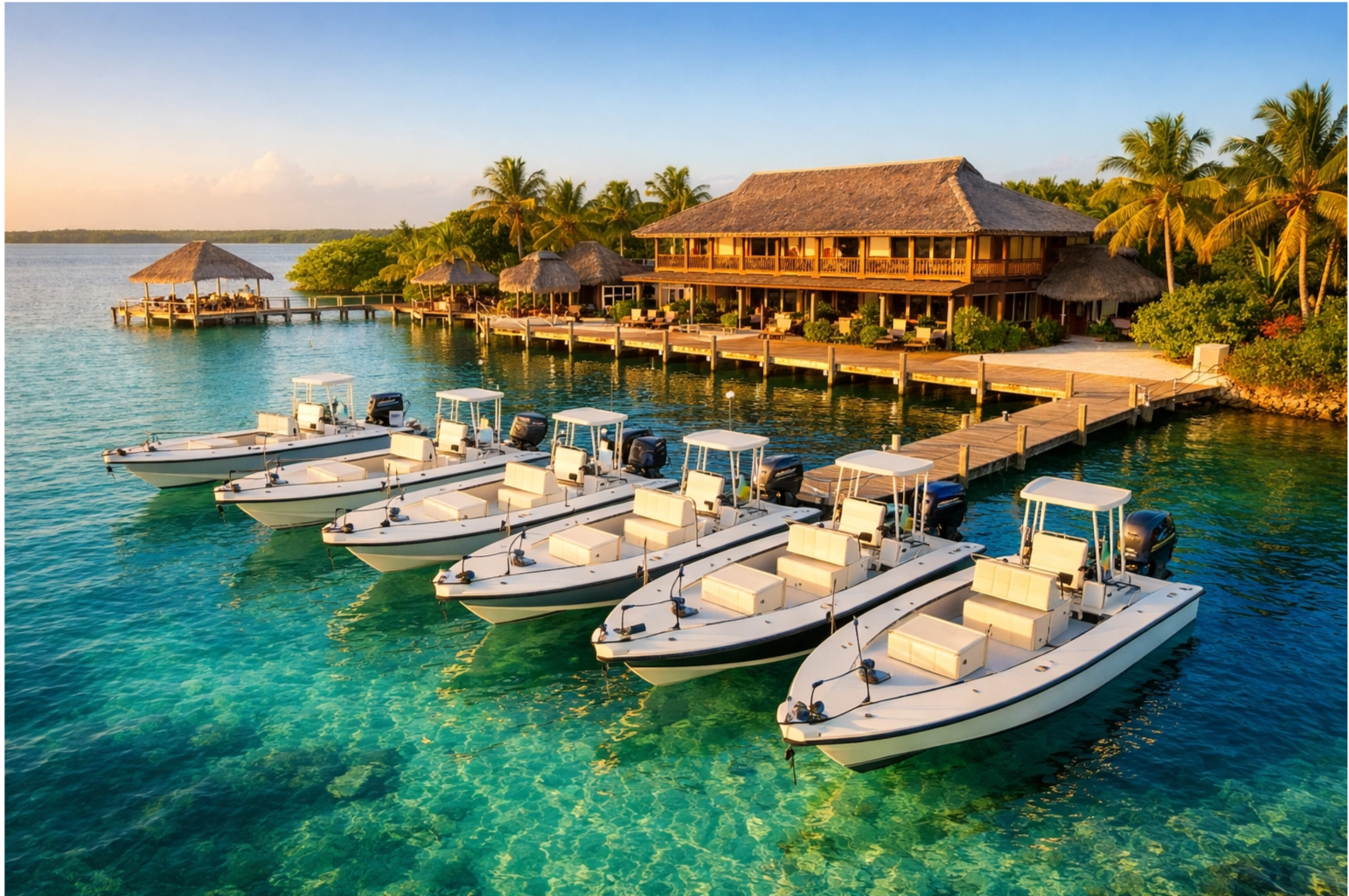
- A modern, dependable boat fleet suited to both lagoon and bluewater runs
- Experienced local guides with decades on these flats
- Reliable logistics and infrastructure so you can think about tides instead of transfers
As Teem family patriarch (and senior guide) Tion Teem puts it, “Our job is to take a dream that feels far away and make it feel simple and safe, from the first airport handshake to the last GT release.”
What Does a Christmas Island GT Fly Fishing Week Really Look Like?
How Does a Typical Arrival Day Unfold?
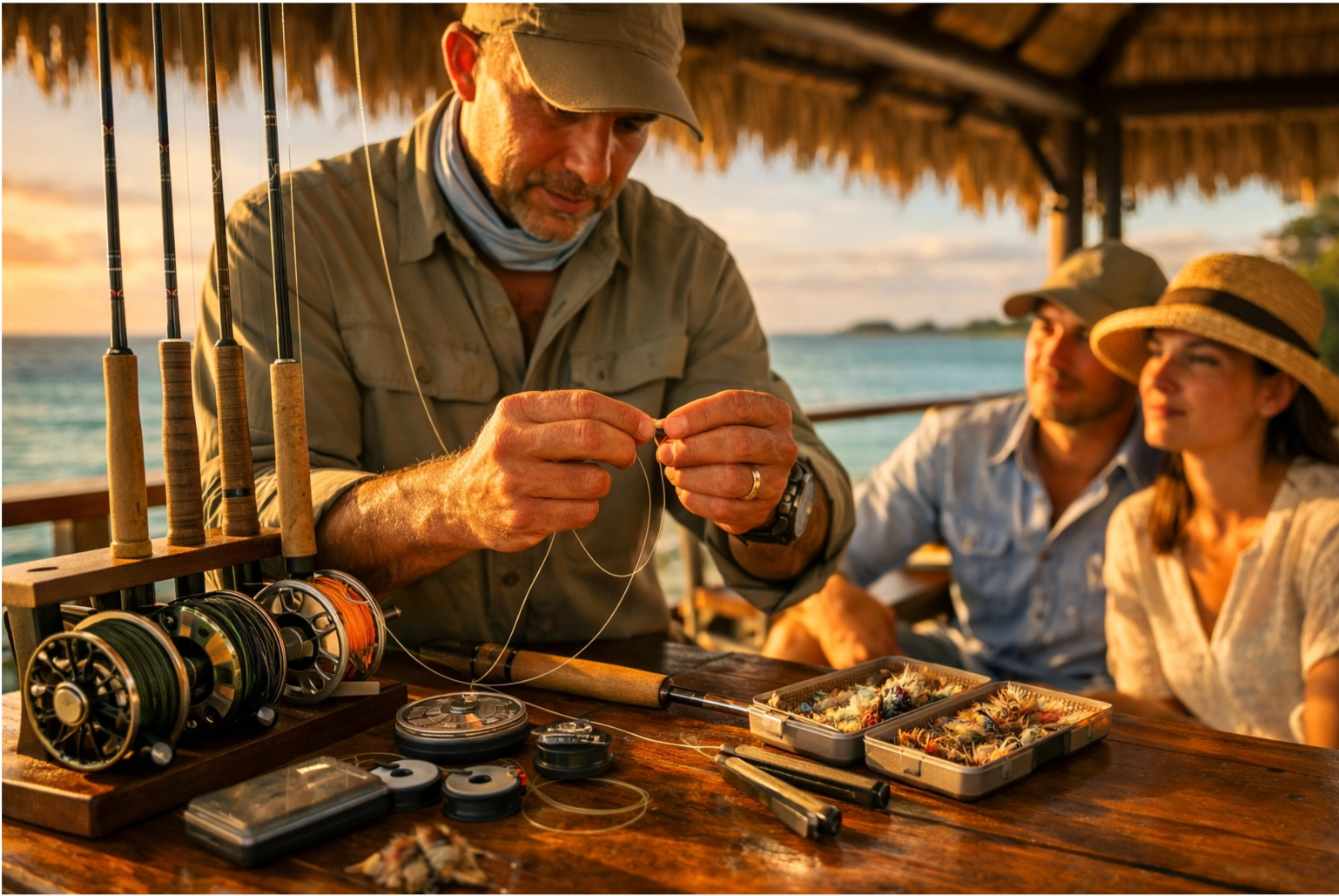
Arrival sets the tone. Our team meets you at the tiny airport, helps with bags and rod tubes, and within minutes you are seeing the lagoon you will fish all week. The transfer is short and straightforward. At the lodge, you find simple, comfortable rooms, shaded common areas, and the kind of open verandas where rods get rigged, leaders checked, and flies trimmed before the first full day.
What Does a Standard Fishing Day Schedule Look Like?
A typical fishing day usually runs like this:
- Early breakfast and tide review with guides
- Boat assignments and loading gear right in front of the lodge
- Run across the lagoon to selected flats or GT structure
- Midday break, often shifting from bonefish wading to GT hunting
- Afternoon sessions tailored to light, wind, and your goals
- Return to the lodge for gear rinse, dinner, and next-day planning
Weather and tides dictate whether we spend more time wading broad sand flats, setting up on current edges for GTs, or running outside the lagoon for bluewater. We adjust in real time, keeping communication open so you know why we are choosing each flat or channel.
For many anglers, a 6-day guided program inside a 7-night stay is a natural rhythm. A GT‑focused week might lean heavily into low-light GT windows and key tides, with short bonefish sessions when the big fish are less active. A mixed week often blends:
- Dedicated GT mornings on chosen tides
- Classic bonefish flats through the middle of the day
- One or two bluewater runs when the weather allows
“We build each day around the best GT windows first. Once those tides are marked, we fill the rest with bonefish and triggers so you are always fishing to something that wants to eat.”
How Do We Target GTs on the Christmas Island Flats?
Giant trevally on Kiritimati are all about tide, structure, and bait movement. Our guides choose specific flats, cuts, and pressure points based on how water is draining or filling and how the light lets us see fish. GTs often travel along edges, channel mouths, and raised ridges that concentrate mullet and smaller reef fish, which is why some spots seem to produce again and again.
We read several factors together:
- Stage and speed of the tide
- Wind direction for casting and boat positioning
- Clarity and glare, which affect visibility
- Recent GT sightings and bait patterns
As one of the Teem family guides, Kautu Teem, likes to say, “We are not guessing where the GT will be; we are following where the water tells them to go.”
What GT Tackle and Flies Do We Recommend?
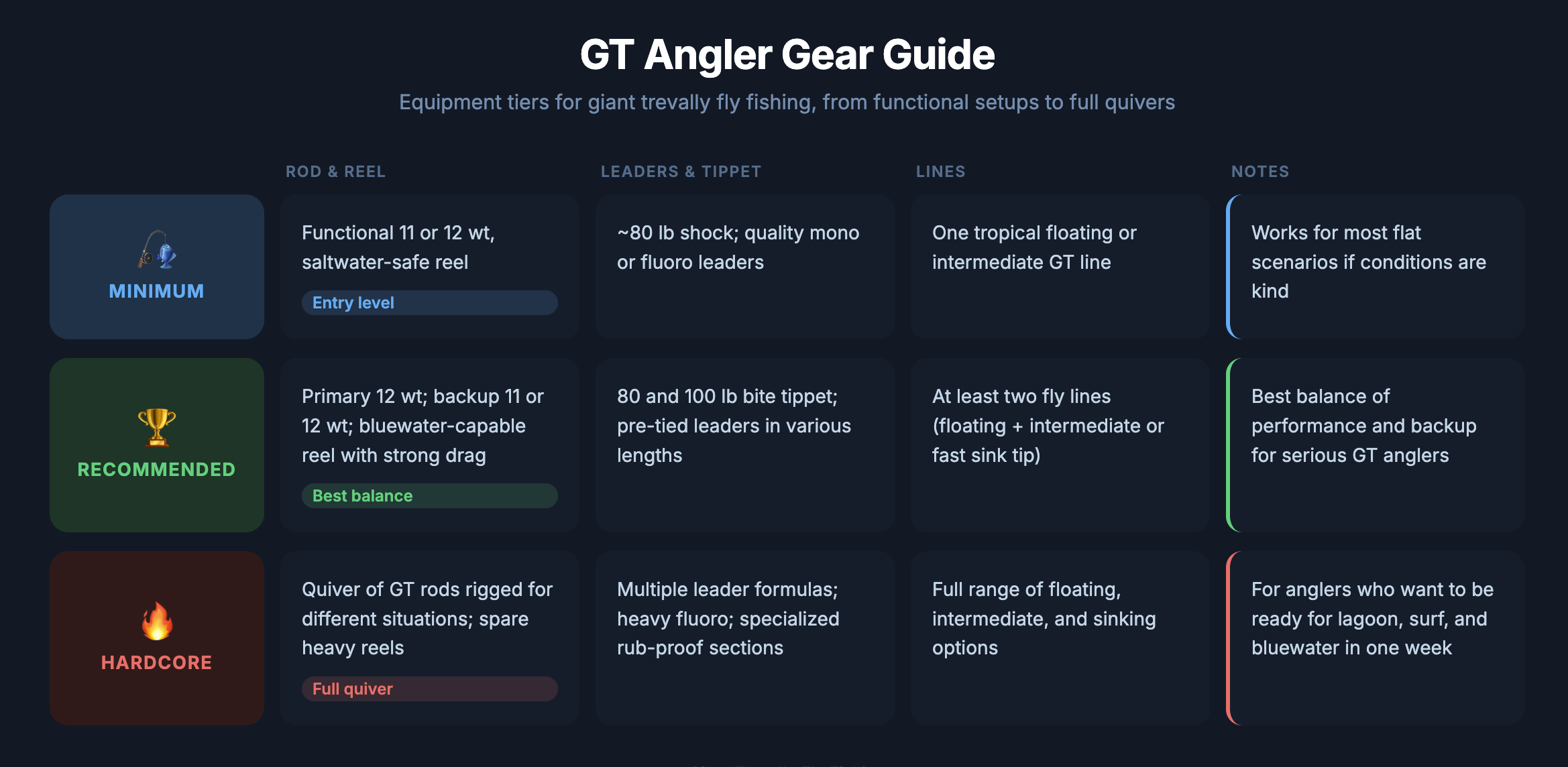
Gear has to match the fish and the coral. For most anglers, a 12‑weight GT rod with a fast, tropical line and a serious reel is standard, backed by heavy leaders and abrasion-resistant bite tippet. Proven flies are big and bold, often:
- Brush flies and Semper‑style patterns
- Baitfish profiles in black, olive, white, and tan
- Sizes large enough to move water without becoming uncastable
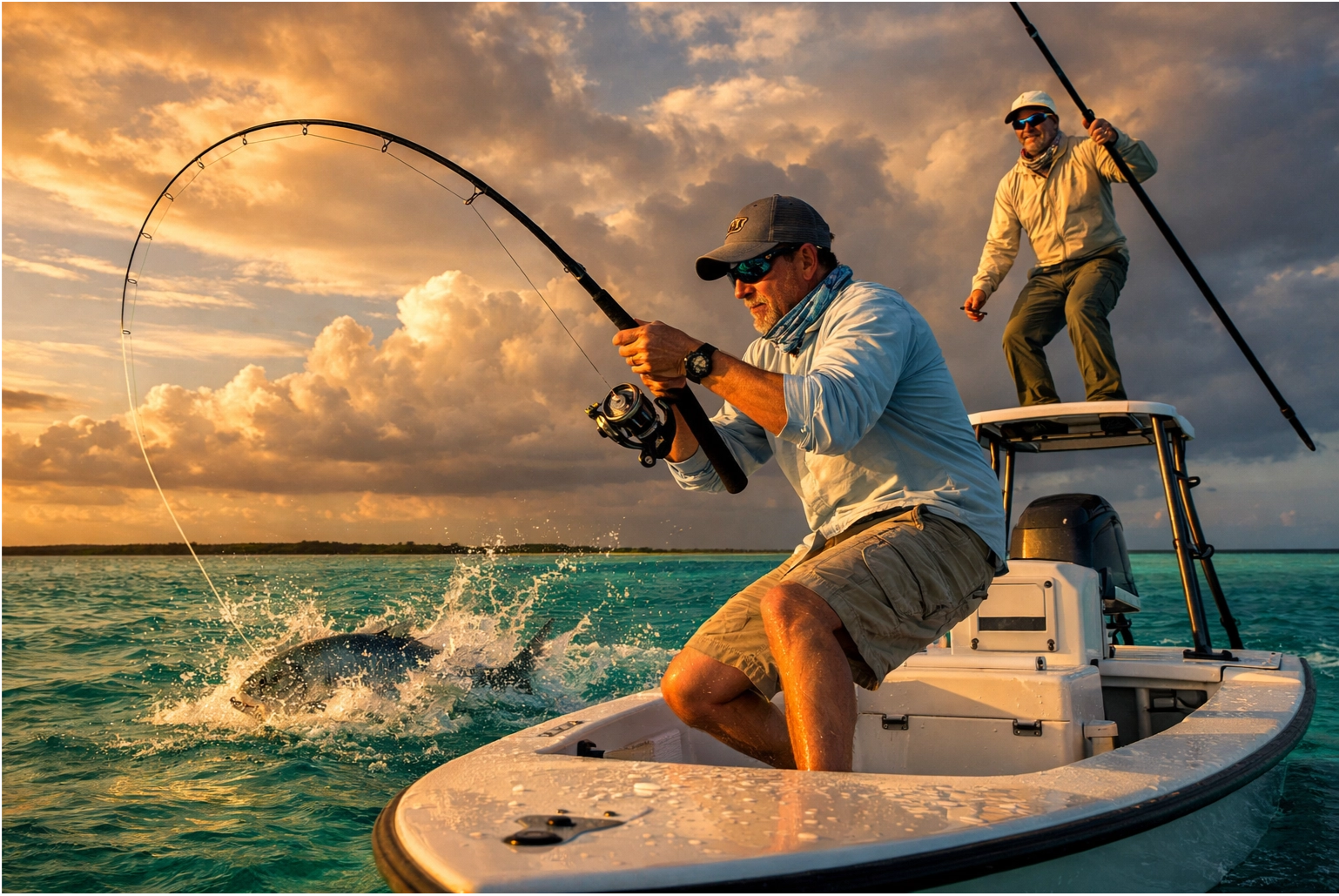
Once a GT eats, everything becomes about angles and pressure. A hard strip set, rod low and to the side, and immediate drive to get the fish off the worst coral zones will save a lot of heartbreak. Our guides coordinate boat moves, wading routes, and landing techniques so you can apply maximum pressure without risking injury to the fish. Quick photos in knee‑deep water and solid revival are standard, and we always prioritize fish care and the health of the flats.
Why Do Bonefish, Wading, and Lodge Life Complete the Experience?
How Does Bonefishing Fit Into a GT‑focused Week?
Christmas Island bonefish are legendary for numbers, willing eats, and classic shallow‑water wading. Between GT missions, sliding into shin‑deep water with tails tipping in the distance resets the mind. Even hardcore GT anglers usually find that bonefish sessions sharpen their sight skills, presentations, and strip timing.
Effective bonefish setups tend to be:
- 7 or 8 weight rods with tropical floating lines
- Long, clear leaders for skinny water
- Proven patterns like small shrimp in tan, pink, and pearl
- Light weights adjusted to depth and current
Presentation matters. Short, accurate shots, soft landings, and reading body language are key. As guide Mika Teem likes to say, “If the bonefish tips down and the tail shakes, keep it moving; it is eating.”
What Should You Know About Wading the Flats Safely?
Wading the flats with a local guide is a big part of the Christmas Island feel. The bottom is generally firm and friendly, but we stay alert for rays, holes, and stronger current around drains. We emphasize:
- Protective flats boots and sun coverage
- Good hydration and pacing through the day
- Listening closely to your guide’s directions on fish angles and approach
What Is Lodge Life Like at Ikari House?
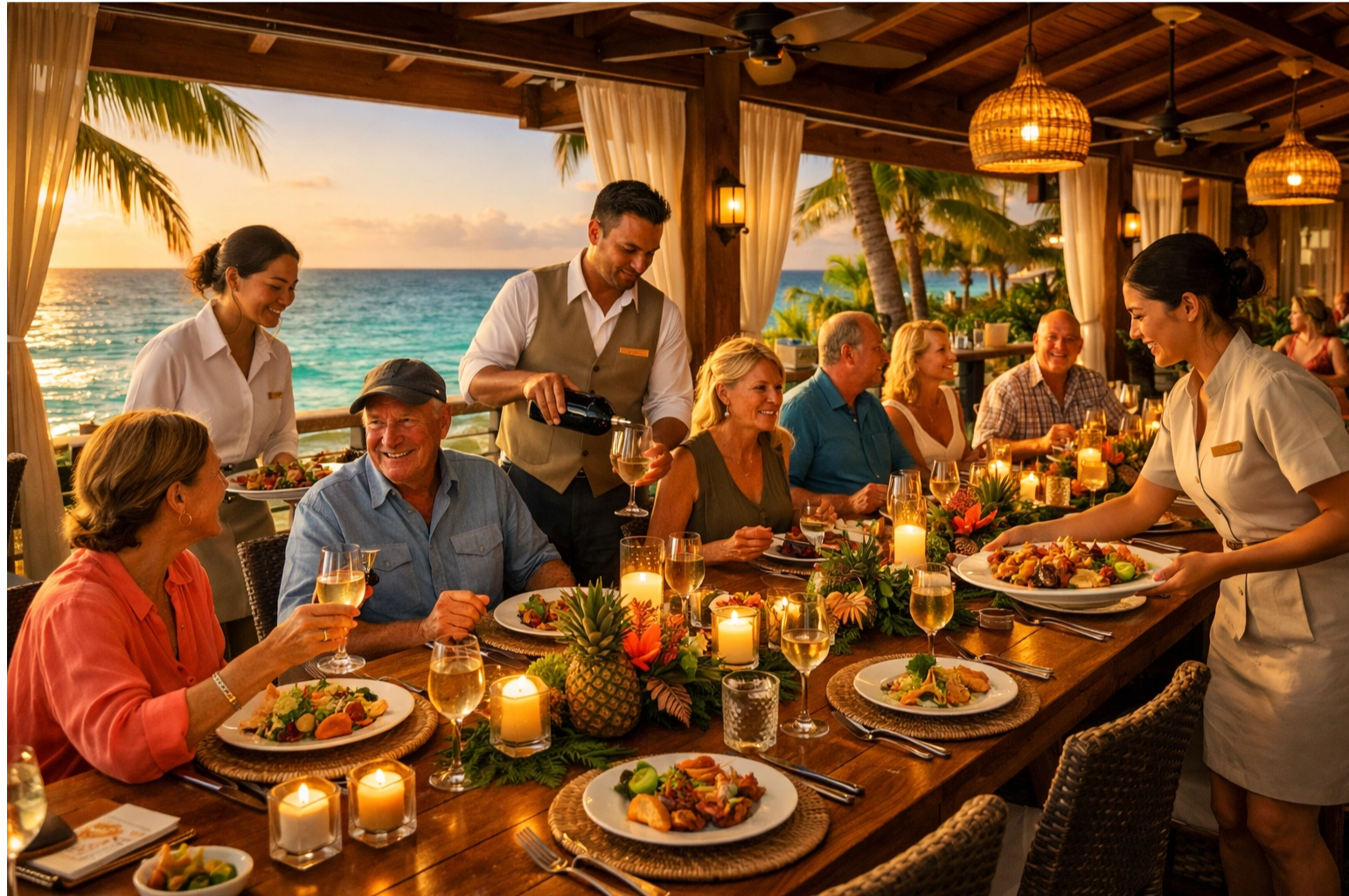
Back at Ikari House, the people are as important as the fishing. As a family‑run lodge, our goal is straightforward hospitality: clean rooms, steady power and water as conditions allow, and meals that refuel you after long days on the skiff. Our reliable generator power, water systems, and in‑house maintenance team are a big part of why repeat guests describe Ikari as a dependable base on a very remote atoll.
Evenings often mean:
- Gear rinses and checks around the yard
- Fresh fish and local dishes at dinner
- Fly tying, story trading, and planning with guides for the next tide
“We built Ikari House for serious anglers first. Cold drinks, hot showers, and boats that start every morning, that’s what keeps you ready for the next shot.”
Best Time to Fish Christmas Island: Seasonal Comparison
Christmas Island sits in the tropics, so water and air temperatures stay relatively steady, but seasonal patterns of wind, light, and rainfall still shape the fishing. Some periods favor glassier mornings and softer light, others bring more wind that can actually help presentation and drift. GTs, bonefish, and bluewater options remain available across the calendar, though certain weeks align especially well with particular tide cycles.
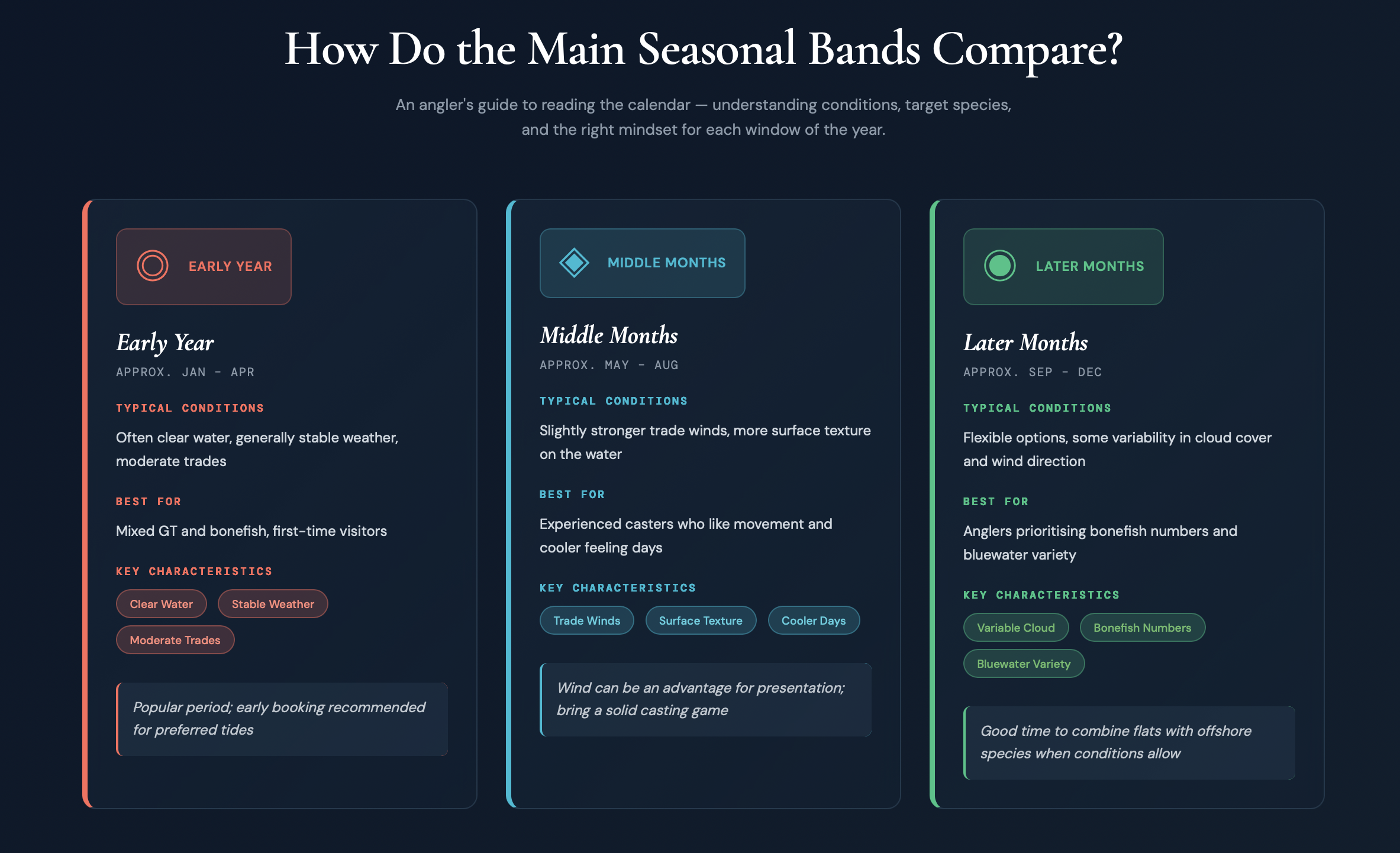
When you match your goals to timing, the questions to ask yourself include:
- Is your top priority GT shots, mixed species, or bonefish numbers?
- How comfortable are you casting in heavier wind?
- Do you want prime-demand tides or more flexible shoulder dates?
“If GTs are your number one, start with tides, not months. We can work with you on the calendar once we know how aggressively you want to hunt big fish.”
Travel, Logistics, and Infrastructure for a Christmas Island Trip
Travel is simpler than many expect for such a remote atoll, but it still requires planning. Typical visits involve scheduled flights into Kiritimati, careful packing to protect rods and reels in transit, and awareness of baggage limits. On arrival, our staff handles airport transfers and gets you and your gear settled quickly so you can focus on fishing.
Our on‑island logistics are a key differentiator:
- Boats are moored directly in front of the lodge for short, efficient runs
- Daily departures and returns are coordinated by experienced local staff
- Backup engines, fuel planning, and radio communication are standard
- Power and water systems are maintained on‑site by our team
What Should You Pack for a Week of Christmas Island GT Fishing?
Packing for a week of Christmas Island GT fishing usually centers on:
Essential:
- GT and bonefish rods and reels
- Saltwater‑specific fly lines for both GTs and bonefish
- Proven GT and bonefish flies
- Flats boots and lightweight wading socks
- Technical sun clothing (long sleeves, pants, sun gloves, neck gaiter)
- Quality polarized sunglasses (at least one backup)
- Personal medications and basic first aid
Highly Recommended:
- Backup rod or reel for both GT and bonefish setups
- Extra fly lines and leader material
- Spare sunglasses
- Waterproof boat bag or backpack
- Lightweight rain shell or windbreaker
Nice to Have:
- Small tying kit for GT and bonefish patterns
- Compact camera or action camera with waterproof housing
- Travel rod tube for additional protection
“If it would ruin your trip to lose it, bring a backup. That’s true for rods, reels, and especially sunglasses.”
Who Are the Guides You’ll Fish with at Ikari House?
Building trust with your guide team is central to a successful trip. Our core guides are all Kiritimati locals who have spent most of their lives on these flats:
- Tion Teem (Head Guide & Family Patriarch): Known for his calm presence under pressure and deep understanding of GT tides and travel lanes.
- Ben Teem: A GT specialist who loves fast, aggressive fishing and coaching experienced casters into tight windows.
- Mika Teem: Equally at home on bonefish and GT flats, with a patient, instructional style ideal for anglers dialing in sight‑fishing skills.
- Kautu Teem: A keen observer of bait and bird life, often the first to spot a GT pushing into a flat from a distant channel.
Each day, we match anglers with guides based on goals, experience, and conditions so you can make the most of every tide.
Christmas Island Trip FAQs
How Long Is a Typical Trip?
Most guests choose a 7‑night stay with 6 fully guided fishing days. Custom lengths can sometimes be arranged based on flight schedules and lodge availability.
What Do Daily Schedules Actually Look Like?
- 6:00, 6:30 a.m.: Breakfast and plan for the day with guides
- 7:00 a.m. (approx.): Boats depart directly from the lodge
- Midday: Packed lunch on the flats or short breaks as needed
- Afternoon: Continue GT, bonefish, or bluewater sessions based on conditions
- Late afternoon: Return to lodge, gear rinse, showers
- Evening: Dinner, fly tying, and planning for the next day
How Do Flights to Christmas Island Work?
Routes and schedules can change, but generally involve a scheduled international flight into Kiritimati. We help you confirm current options, recommended arrival windows, and baggage allowances well before your trip.
Can Non‑anglers Enjoy the Lodge?
Yes. Non‑anglers can relax at the lodge, enjoy lagoon views, walk the beach, or explore elements of local island life. We are a fishing‑focused lodge, but the atmosphere is friendly and relaxed.
What Currency and Tipping Practices Should I Expect?
Cash in common foreign currencies is generally easiest. We provide current guidance before your trip. Tipping for guides and lodge staff is usually done at the end of the week in a simple, pooled format, and we can advise suggested ranges.
What About Health, Safety, and Communication?
Health and safety are mostly about sun, hydration, and sensible wading. We encourage anglers to drink more water than they think they need, take regular shade breaks, and follow guide instructions in coral and current. Communication on the atoll is basic but available, and our team operates with local knowledge and clear procedures so you can fish with confidence.
What If I Have Special Gear or Dietary Needs?
We work with you in advance on any special equipment needs, including rod quivers, line choices, and bluewater tackle. Dietary needs can often be accommodated with prior notice; let us know before you travel so we can plan.
Why Does Christmas Island Belong on Your Bucket List?
For those who have been thinking about Christmas Island GT fishing for a long time, the final step is usually mindset, not logistics. This is a serious angling destination with real comfort, expert local guidance, and a welcoming family lodge, all wrapped around one of the most exciting sight fisheries on the planet.
When you finally step onto a bright Kiritimati flat and see your first GT ghosting across the sand, the planning fades and the week becomes exactly what you came for: world‑class, visual GT fishing in a remote, authentic setting, with a family team behind you that knows how to make it all work, tide after tide.
Plan Your Ultimate GT Adventure With Ikari House Lodge
If you are ready to turn your dream of world-class Christmas Island GT fishing into a concrete plan, we are here to help you build the perfect trip. We will work with you on timing, tides, and lodge details so you can focus on the fishing experience. Reach out to contact us and let us answer your questions, check availability, and secure your preferred dates.
